Background
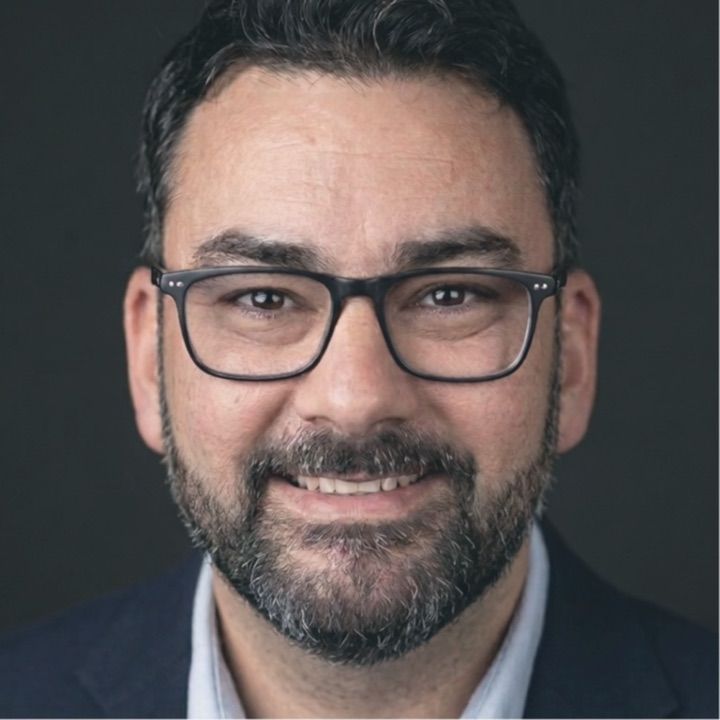
Roger Cracel
I build products, and for twenty years I’ve led the teams that build them. I’ve launched new products as an executive and grown a team from four engineers through two acquisitions into a public company, and I still build every day with AI coding agents. Now I do that work with CEOs who have something to build.
The whole record is on LinkedIn if you’d rather check it than read about it.
Where I’ve done this.
Four situations, in order. Three of them were companies whose product was data, and the FAA program runs on air traffic data.
-
CGH Technologies, FAA
A federal program almost five years behind schedule, with a team of two. Rather than push harder, I stopped and re-validated every requirement against what the program was actually for, working directly with the FAA rather than around them. It shipped two years later. The work became a reference architecture that still guides the program, the contract expanded, and the team grew past twenty.
-
RainKing to ZoomInfo
I joined RainKing with four engineers on the team and built the product and the team from there. Both companies sold the data that sales teams use to find and reach buyers, so stale data or an outage showed up in a customer’s pipeline before it showed up in ours. DiscoverOrg acquired us and I became CTO of the combined company. Then we acquired ZoomInfo, and took the combined business public under that name. Two rounds of diligence, no surprises in either.
-
Datassential, CTO
I built the product team and we shipped a major new product inside my first year. I’d been brought in to put product and engineering process where the growth had outrun it: how work gets chosen, planned and delivered. I also ran a cost-versus-revenue analysis nobody had asked for, and we retired two products that were quietly losing money. The forecasting and trend models in the product were mine to run as well.
-
Seamless.AI, CTO
Products my teams built are still core to what Seamless sells. I moved the company beyond data into workflow, and owned the AI in the product: search, data enrichment and generated content. I inherited a roadmap that changed every week, and we rebuilt how the company planned and shipped until the dates engineering gave were dates the business could plan against. I also ran the security program end to end and we earned SOC 2 Type 2 in under eight months, which stopped enterprise deals stalling in review.
What I’m like to work with.
Credentials all read the same in a list. This is the part that actually decides whether having me around is useful.
You’ll see working software every week.
A status report is an opinion and a working build is a fact. Whatever stage we’re in, at the end of each week you see what has actually been built, in an environment you can open yourself, and we decide what comes next from there.
I question the brief before I work harder at it.
The pattern in most of what’s above is the same: a team pushing hard on something nobody had re-examined. The FAA program didn’t need more effort, it needed someone to ask what it was for. Two products at Datassential didn’t need a better roadmap, they needed someone to check whether they made money. Expect me to spend the first days asking why rather than how.
I’ll tell you the unwelcome thing early.
A slip you hear about the week it becomes likely is a problem. A slip you hear about on the deadline, after you’ve told a customer, is a different kind of problem. I’d rather be the person who raises it awkwardly in week two than the one who manages your expectations until week nine.
I hire people who will grow with the company.
More than a decade of interviewing engineers has convinced me that the résumé predicts less than almost anyone wants to believe. What predicts well is how someone thinks when they don’t know the answer, and whether they tell you when they’re wrong. That’s what I look for, and it’s what I’ll push you toward when you’re making the hire.
Everything I run has an owner on your payroll.
The process, the controls and the team are written down and owned by someone who stays, so the work keeps running whether I’m in the seat for three months or three years. You decide how long that is.
Why Loch Vale.
Loch Vale is a hanging valley in Rocky Mountain National Park, holding a lake called The Loch. My wife and I were married on its shore.
It’s also one of the longest continuously studied watersheds in the country, measured every year since 1983. Which is a fair description of the work: not a dramatic intervention, but careful measurement sustained long enough to tell you something true.